Source Nitriding Process Welding Table for Assembly, Fabrication, and Repair
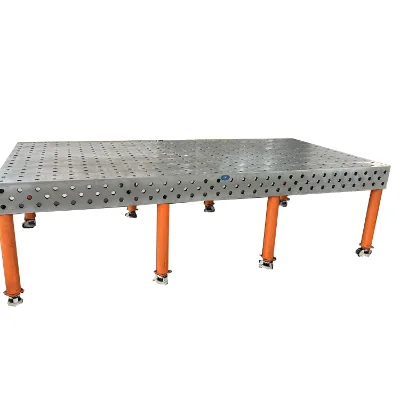
Explore 30 listings for the nitriding process welding table designed for assembly, fabrication, and repair tasks. Buyers can compare specifications like hole patterns, surface finishes, and material options to find the right fixture for their needs.
Key considerations
Products List




Comprehensive Sourcing Guide
Strategic Sourcing Guide for Nitriding Process Welding Tables
Understanding the Core Technology and Surface Engineering
The selection of a welding table designed for high-precision applications often hinges on the surface engineering processes applied to the working platform. The core keyword "nitriding process welding table" refers to a specific class of fixtures where the surface undergoes a thermochemical diffusion treatment to enhance durability and dimensional stability. In the context of the available market data, this process is frequently identified as "Nitrogen Treatment" or "Nitrided" surface finish. This treatment is distinct from standard plating or painting, as it alters the metallurgical structure of the surface layer to increase hardness and wear resistance without significantly changing the overall dimensions of the table.
For buyers evaluating these products, it is critical to understand that the nitriding process is typically applied to tables constructed from specific materials such as Cast Iron, Steel, or DIN St52-3. The observed market data indicates that the surface finish can be categorized as either "Normal" or "Nitrided," with the latter being the premium option for environments requiring frequent clamping and unclamping of heavy workpieces. The primary benefit of this treatment is the creation of a hard, wear-resistant surface that resists the galling and scoring often associated with welding fixtures. This ensures that the precision of the hole pattern remains intact over extended periods of use, which is vital for maintaining the repeatability of welding operations.
When sourcing, buyers must distinguish between tables that offer a standard surface finish and those explicitly engineered with a nitriding process. The latter often commands a higher price point due to the additional processing time and energy required. The observed specifications suggest that the thickness of the table plate is a significant variable, with options ranging from 12mm to 25mm. A thicker plate, combined with a nitrided surface, provides superior rigidity and thermal stability, which are essential when welding large assemblies that generate significant heat. The combination of material choice, plate thickness, and surface treatment defines the operational lifespan of the fixture.
Technical Specifications and Dimensional Standards
Technical specifications for welding tables are not merely descriptive; they are the primary criteria for compatibility with existing production lines. The data reveals a clear segmentation in hole patterns, which are the fundamental interface between the table and the clamping system. Two primary hole distances are observed in the market: 50mm and 100mm. These distances correspond to the grid systems used by various clamping manufacturers. The 50mm system is often associated with finer, more detailed work, while the 100mm system is typically utilized for heavier, larger-scale fabrication.
The hole diameter is another critical specification that must align with the buyer's tooling inventory. The available data highlights two distinct systems: the 16mm system and the 28mm system. The 28mm system, often referred to as the D28 system, is a robust standard capable of handling higher clamping forces. The 16mm system offers a lighter alternative suitable for thinner materials or lighter fixtures. Buyers must verify that the hole diameter of the purchased table matches the diameter of their existing bolts and clamps to avoid compatibility issues. The precision of these holes is equally important; the data notes that working surfaces are precision-machined, with tolerances that can vary between 1 and 5, depending on the specific model and intended application.
Dimensions of the table itself are highly customizable, yet standard sizes exist to facilitate quick procurement. Common model sizes include 12002400mm and 24001200*200mm. The thickness of the table plate varies, with observed values of 12mm and 25mm. A 25mm thick table, often paired with the D28 system, offers a significant increase in load-bearing capacity compared to a 12mm variant. The table height is also a variable, with some models specified at 200mm, which may include integrated legs or a steel frame structure. Buyers should note that the "complete" model designation often implies a fully assembled unit, whereas other configurations may require on-site assembly of the legs or frame.
| Specification Category | Observed Values | Application Context |
|---|---|---|
| Hole Distance | 50mm, 100mm | Determines clamping grid density |
| Hole Diameter | 16mm, 28mm | Matches specific clamping hardware |
| Plate Thickness | 12mm, 25mm | Correlates with load capacity and rigidity |
| Table Dimensions | 12002400mm, 24001200*200mm | Defines workspace area and footprint |
| Surface Finish | Normal, Nitrided | Determines wear resistance and hardness |
| Material Composition | Cast Iron, Q355, DIN St52-3 | Influences thermal stability and damping |
Compliance, Certification, and Regulatory Checks
In the global procurement of industrial machinery, compliance with international standards and certifications is a non-negotiable aspect of the sourcing process. The available data indicates that certain welding tables carry the CE certification, which is a mandatory conformity mark for products sold within the European Economic Area. This certification signifies that the product meets EU safety, health, and environmental protection requirements. However, buyers must exercise caution; the presence of a CE mark on a product listing does not automatically guarantee that every unit in a batch is certified, nor does it validate the specific performance claims of the nitriding process itself.
When evaluating suppliers, buyers should request specific documentation that validates the CE certification. This documentation should include the Declaration of Conformity and technical files that detail the risk assessment and testing procedures undertaken by the manufacturer. It is important to verify that the certification covers the specific model and configuration being purchased, as customizations can sometimes alter the compliance status of a standard product. The data also mentions that the product standard can be "customized," which implies that the manufacturer may tailor the table to meet specific regional or industry standards beyond the baseline CE requirements.
Beyond CE, buyers should inquire about other relevant certifications depending on their industry sector. For instance, aerospace or automotive applications may require adherence to ISO standards or specific industry-specific quality management systems. While the provided data does not list additional certifications, the presence of a "CE" attribute suggests a baseline level of regulatory awareness by the supplier. Buyers must ensure that the supplier can provide traceable documentation for the materials used, such as the Q355 steel or DIN St52-3, to verify that the raw materials meet the required chemical and mechanical properties. This material traceability is crucial for ensuring that the nitriding process is applied to a substrate that is compatible with the treatment, thereby preventing delamination or premature failure.
Cost Drivers and Pricing Structure Analysis
The pricing of nitriding process welding tables is not uniform and is influenced by a complex array of factors. The observed price range in the market spans from $500 to $100,000, reflecting the vast difference between small, standard tables and large, custom-engineered systems. The primary cost drivers include the dimensions of the table, the thickness of the plate, the material composition, and the specific surface treatment applied. A table with a 25mm thickness and a D28 hole system will inherently cost more than a 12mm table with a 16mm system due to the increased material volume and the additional machining required.
The nitriding process itself adds a significant cost component. This thermochemical treatment requires specialized equipment and controlled environments, which increases the manufacturing time and energy consumption. Consequently, tables with a "Nitrided" finish will be priced higher than those with a "Normal" finish. Buyers should also consider the cost of customization. The data indicates that customization is available, and the price varies depending on the size and material selected. Custom dimensions, non-standard hole patterns, or specific leg configurations (such as caster wheels or adjustable legs) will incur additional charges.
Lead time is another factor that influences the total cost of ownership. The observed duration for production is approximately 20 days, but this can vary based on the complexity of the order and the current workload of the supplier. Rush orders may incur premium fees, while standard orders might benefit from more competitive pricing. Additionally, the packaging method, such as plywood boxes or wooden packages, adds to the shipping cost, especially for heavy tables. Buyers should factor in the cost of sea shipment, which is the standard transport method for these heavy industrial goods. It is advisable to request a detailed breakdown of costs, including material, processing, packaging, and logistics, to ensure transparency and avoid hidden fees.
Typical Applications and Operational Versatility
Nitriding process welding tables are designed for a wide range of industrial applications, from general fabrication to high-precision assembly. The primary purpose of these tables is welding, but their functionality often extends to assembly and inspection tasks. The high hardness of the nitrided surface, with observed values ranging from Hb170 to Hb300, makes them ideal for environments where heavy workpieces are frequently moved and clamped. This wear resistance is particularly beneficial in high-volume production lines where the table surface is subjected to constant friction and impact.
The versatility of these tables is enhanced by their modular design. The availability of different leg types, including standard legs, caster wheels, and adjustable legs, allows the table to be adapted to various shop floor layouts. Tables with caster wheels offer mobility, enabling them to be repositioned for different tasks or to clear space for other operations. Adjustable legs are crucial for leveling the table on uneven floors, ensuring that the welding process remains precise and that workpieces do not slide or tilt during fabrication. The steel frame or leg support structures provide the necessary rigidity to handle heavy loads without deflection.
Specific applications for these tables include the fabrication of large structural components, automotive chassis assembly, and the construction of heavy machinery. The 100mm hole pattern is particularly suited for large-scale projects where fewer clamping points are needed to secure massive workpieces. Conversely, the 50mm pattern is preferred for smaller, more intricate assemblies that require a higher density of clamping points. The D28 system, with its larger hole diameter, is often used in applications requiring high clamping forces, such as welding thick steel plates or heavy castings. The ability to customize the table to specific dimensions allows manufacturers to create dedicated workstations for unique products, optimizing the workflow and reducing setup times.
Supplier Evaluation and Quality Control Protocols
Selecting the right supplier for nitriding process welding tables requires a rigorous evaluation of their capabilities, quality control systems, and track record. Buyers should prioritize suppliers who demonstrate a clear understanding of the nitriding process and can provide evidence of their expertise. This includes asking for details on the specific nitriding method used, such as gas nitriding or plasma nitriding, and the parameters controlled during the process. The supplier should be able to explain how they ensure the uniformity of the nitride layer and the consistency of the hardness values across the entire surface.
Quality control is paramount in the manufacturing of welding fixtures. Buyers should inquire about the inspection procedures used to verify the precision of the hole pattern and the flatness of the working surface. The data mentions that working surfaces are precision-machined, but the specific tolerance levels (1 or 5) should be confirmed for the specific order. A robust quality control system should include dimensional checks, hardness testing, and visual inspections for surface defects. The supplier should also have a documented process for handling custom orders, ensuring that the specific requirements are met without compromising the overall quality of the product.
When evaluating suppliers, buyers should also consider their location and logistics capabilities. The observed data indicates that products originate from China, specifically Jiangsu, which is a major manufacturing hub. This location offers access to a robust supply chain and skilled labor, but it also necessitates careful planning for international shipping. Buyers should verify the supplier's experience with sea shipment and their ability to package the tables securely to prevent damage during transit. The use of wooden packages or plywood boxes is standard, but the quality of the packaging should be sufficient to protect the table from moisture and physical impact.
Long-Term Procurement and Maintenance Considerations
Investing in a nitriding process welding table is a long-term decision that requires consideration of maintenance, warranty, and lifecycle costs. The observed warranty period for these products is typically one year, which covers defects in material and workmanship. However, the longevity of the table depends heavily on the care and maintenance provided by the user. The nitrided surface is highly resistant to wear, but it can still be damaged by improper handling, such as dropping heavy tools onto the surface or using abrasive cleaning methods that strip the nitride layer.
Buyers should develop a maintenance protocol that includes regular cleaning with non-abrasive materials and the application of protective coatings to prevent rust, especially in humid environments. The cast iron and steel materials used in these tables are susceptible to corrosion if left unprotected, so proper storage and handling are essential. The warranty period of one year provides a safety net for initial defects, but the buyer should also consider the availability of spare parts and the supplier's support for repairs or modifications.
The customization options available in the market allow for future adaptability. If production needs change, the table can often be modified with additional legs, clamping points, or surface treatments. This flexibility extends the useful life of the table and protects the initial investment. Buyers should also consider the total cost of ownership, including energy costs for heating the table if it is used for pre-heating applications, and the cost of consumables like clamps and bolts. By selecting a high-quality table with a proven nitriding process, buyers can minimize downtime and maintenance costs, ensuring a reliable and efficient welding operation for years to come.
FAQs
What surface treatments are available for nitriding process welding tables?
Nitriding process welding tables offer Normal or Nitrided surface finishes. The Nitrided option provides enhanced hardness and wear resistance through nitrogen treatment, making it suitable for frequent clamping operations.
Which hole diameter systems are compatible with these welding tables?
These tables support 16mm and 28mm hole diameter systems. The 28mm system, often called D28, handles higher clamping forces, while the 16mm system is designed for lighter applications and finer work.
Can buyers customize the dimensions and hole patterns of the table?
Yes, customization is available for dimensions and hole patterns. Buyers can select from standard sizes like 1200*2400mm or request specific configurations to match their unique production line requirements.
How long is the lead time for manufacturing a custom welding table?
The standard production duration is approximately 20 days. This timeline may vary depending on the complexity of the customization, the selected material, and the current workload of the manufacturer.
What materials are used to construct these precision welding tables?
Tables are constructed from Cast Iron, Steel, or DIN St52-3. Specific models may use Q355 steel, ensuring high thermal stability and rigidity required for heavy-duty welding and assembly tasks.
Does the product come with a warranty period for quality assurance?
Yes, the product includes a 1-year warranty period. This coverage ensures that the table meets quality standards and provides protection against manufacturing defects during the initial year of operation.